Thurs., Nov. 5, 2026
9:00am – 12:00pm (Lecture)
Room 101-C
Speaker: Ann-Marie C. DePalma, CDA, RDH, MEd
This course is supported, in part, by educational grants from Pearl, Practice by Numbers, Parkell, BioGaia, CariFree, and GuruNanda.
Recommended for: Everyone
Implants are the standard of care for edentulous areas. A patient with implants is different from a patient with a natural dentition. Does the team understand the difference?
As more patients are seeking dental implants as viable restorative options, all members of the dental team should have a grasp of the role implants play in the maintenance of oral health. At times team members can be confused by the process and how implants differ from natural teeth. To maintain optimum health of the patient and the implant, team members need to understand how the patient and the dental professional can maintain the implant from the beginning of the implant process through its many components.
Learning Objectives:
- Discuss the role of implants in the maintenance of oral health.
- Categorize implant types and components.
- Identify contraindications and criteria for implant success.
- Understand and communicate the importance of post-treatment care.
- Summarize implant evaluation and maintenance protocols.
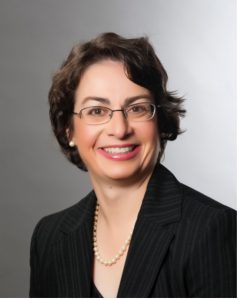 Ann-Marie C. DePalma, CDA, RDH, MEd is a graduate of Forsyth School for Dental Hygienists, Northeastern University and University of Massachusetts Boston. Her passion, dedication and expertise inspire dental professionals through her CE programs and publications. She has experience as a clinical hygienist, a faculty member, consultant and software trainer and is a fellow in several dental hygiene organizations. Ann-Marie is an Esther Wilkins Distinguished Alumni of Forsyth Award recipient. Beyond dentistry, Ann-Marie volunteers in several local community organizations.
Ms. DePalma (or an immediate family member) has a significant relationship with the following commercial organizations whose products she will refer to in her presentation:
The University at Buffalo School of Dental Medicine, Office of Alumni Relations and Professional Engagement designates this activity for 3 continuing education credits.