Fri., Nov. 6, 2026
9:00am – 12:00pm (Lecture)
Room 101-C
Speaker: Brian B. Nový, DDS
This course is supported, in part, by educational grants from VOCO America, Inc., AMD and EMS.
Recommended for: Dentists
When a polymicrobial biofilm can outsmart a human with a doctorate degree, there’s a problem. Yet the evidence is clear, dental caries, especially in a dry mouth isn’t just multifactorial and definitely more complicated than denial and fermentable carbohydrates. As AI begins steering treatment decisions instead of clinicians, there may be hope for remineralization, but what could go horribly wrong?
The public is told that nanohydroxyapatite cures tooth decay and fluoride lowers IQ, so what’s a dentist supposed to do. The oral healthcare ecosystem is bracing for a revolution—one that demands a deeper, more serious look at the most underappreciated secretion: saliva.
Learning Objectives:
- Improve the prognosis of patient care.
- Explain the facets of effective disease management.
- Describe critical components of disease management strategies that hinder success.
- Defend evidence-based anionic remineralization AND research-based caries lesion reversal.
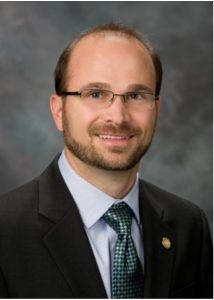 Brian B. Nový, DDS, holds faculty appointments at Virginia Commonwealth University and Harvard School of Dental Medicine. He is the President of the National CAMBRA Coalition and he treats patients in his private practice in Salem, Massachusetts. Since graduating with honors from Loma Linda University School of Dentistry, Dr. Nový’s enthusiasm for teaching dental materials and cariology has taken him to four continents. He is the recipient of the Academy of General Dentistry Weclew Award, The ADA Evidence Based Practice Award, The AADR/IADR Gies Award, and the ADA Adult Preventive Care Practice of the Year. He served on the ADA Council of Scientific Affairs from 2010 to 2014, and in 2016 he was appointed the Consumer Representative, United States Food and Drug Administration Dental Products Panel.
Dr. Nový (or an immediate family member) has a significant relationship with the following commercial organizations whose products he will refer to in his presentation: Voco America, Inc., Salyva Oral Health, Livionex, Kettenbach Dental, and Endeavor B2B.
The University at Buffalo School of Dental Medicine, Office of Alumni Relations and Professional Engagement designates this activity for 3 continuing education credits.